Smart seat covers: fit, sensing and sitting awareness
Start with the chair you already own. These guides explain what a sensing cover adds, where fit needs a closer look, and what seat pressure can—and cannot—tell you.
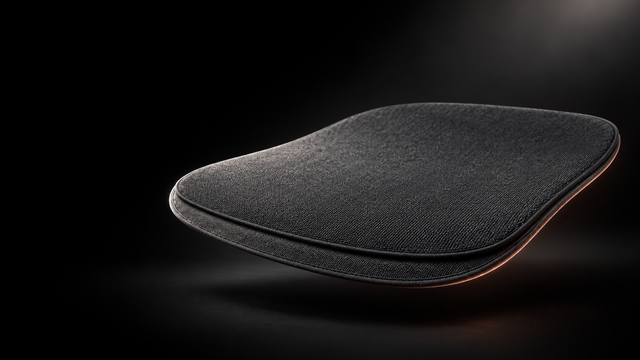
Start with the chair you already own. These guides explain what a sensing cover adds, where fit needs a closer look, and what seat pressure can—and cannot—tell you.
A smart seat cover adds sensing to your existing chair. Compare Kiso Axis with an ordinary cushion, an ergonomic chair and a wearable posture reminder.
Read the guide ↗Check stability, flatness, side bolsters, the seat edge and active mechanisms before adding Kiso Axis. Mesh and contoured chairs need individual review.
Read the guide ↗How Kiso Axis uses seat contact, balance and time for a private haptic cue. Learn why pressure patterns are not a direct measurement of the spine.
Read the guide ↗Compare Aeron mesh, Embody support and Sayl upholstery before adding Kiso Axis. Six Herman Miller profiles, manufacturer sources and a model-specific fit check.
Read the guide ↗Compare six Steelcase seat constructions before adding Kiso Axis: contoured foam, flexible foam, upholstery and suspended mesh. Open the exact-model fit check.
Read the guide ↗Check Contessa II, Baron, Sylphy, Vertebra03 and ing before adding Kiso Axis. Understand seat variants, mesh, upholstery and gliding mechanisms.
Read the guide ↗