


Movement atlas

Stay with the work. Not a perfect pose.

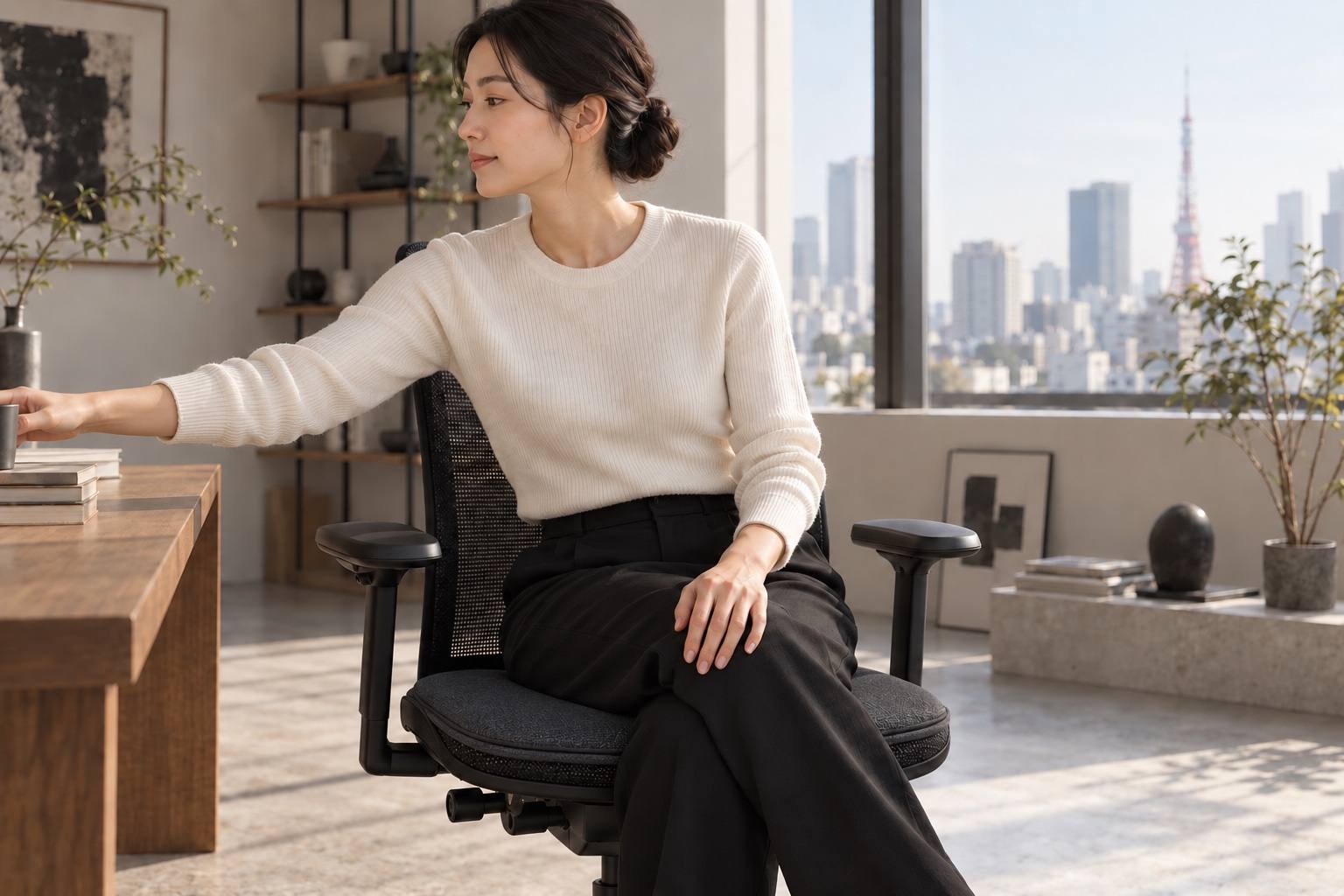
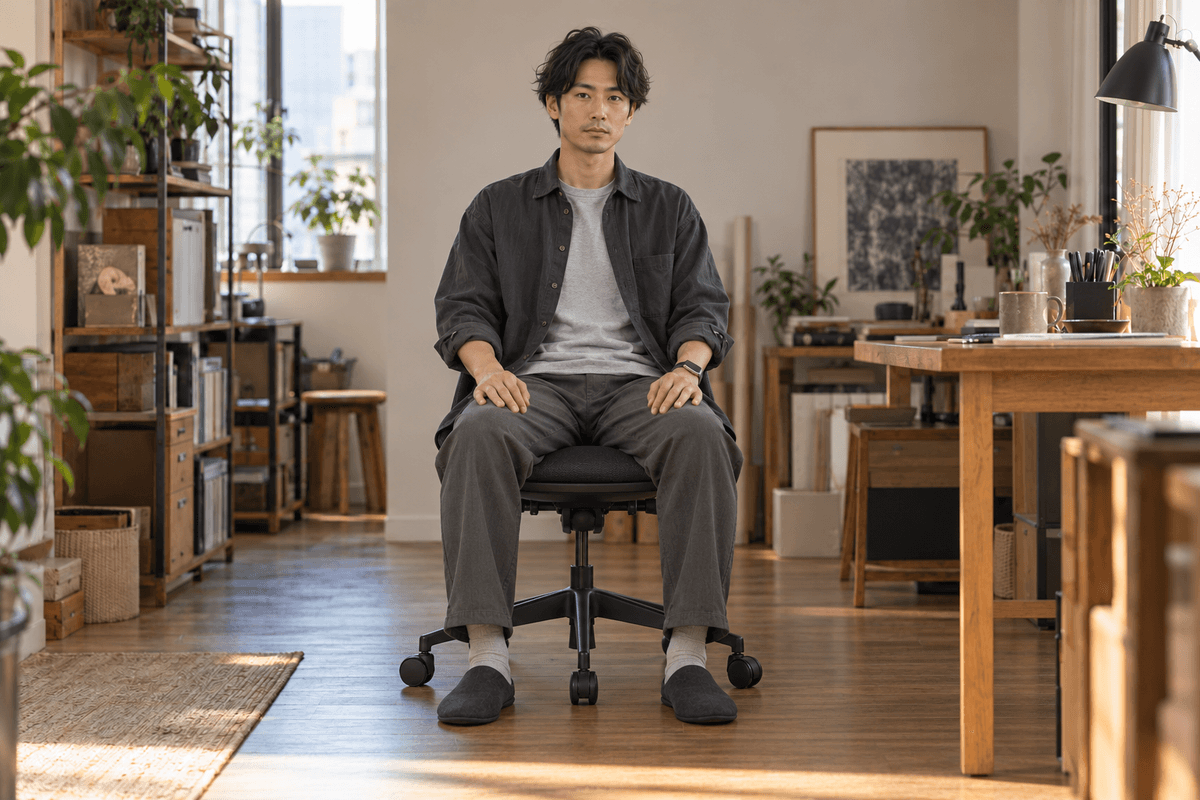
Reach. Turn. Settle. Kiso Axis leaves movement alone and looks for the patterns that stay.

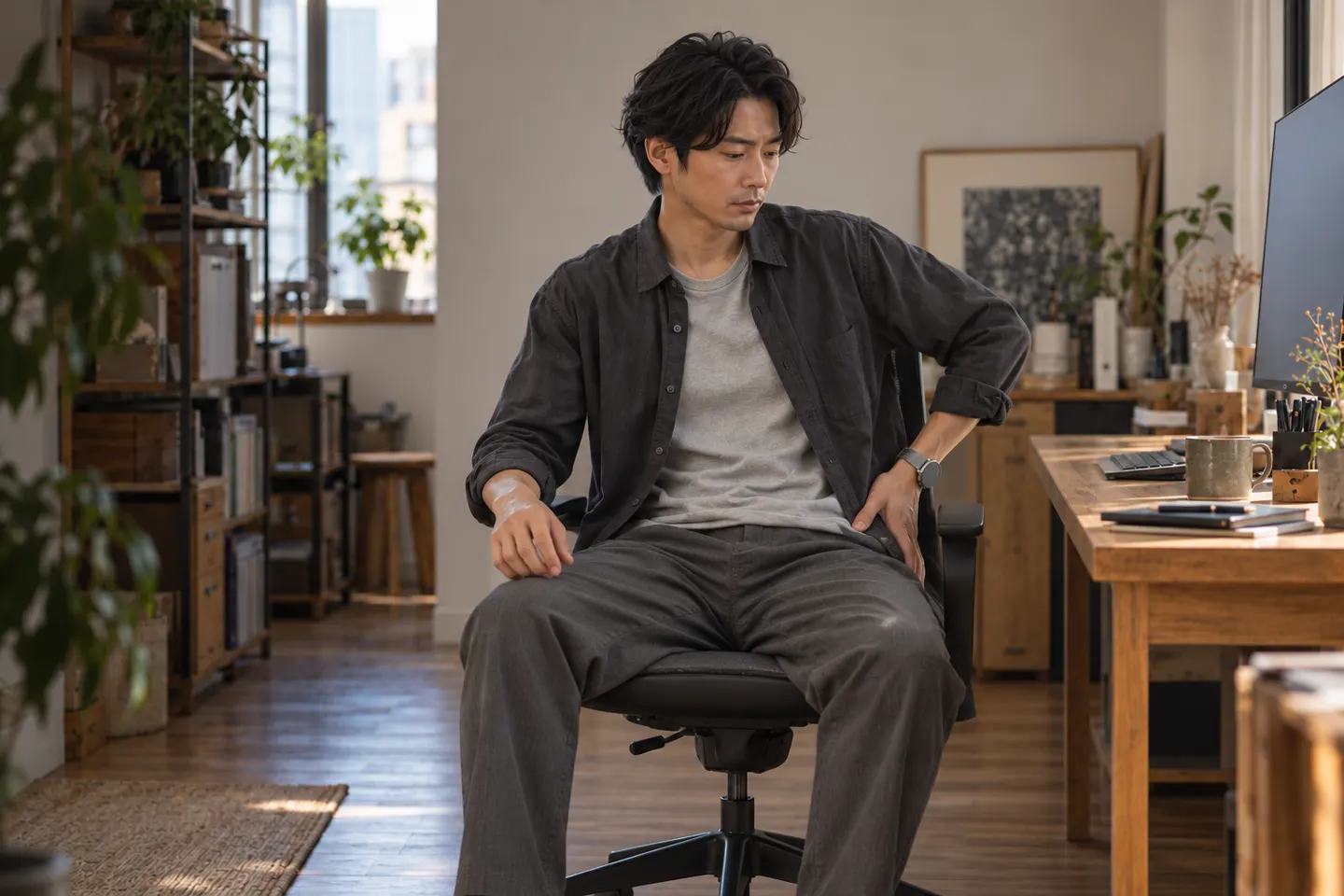
AI-generated keyframes, not footage. Compare the poses with an illustrative companion view; pressure alone cannot identify spinal shape or explain pain.

Pressure pattern examples

A moment

Illustrative values, not measurements.

Illustrated body and companion view, rendered from one clock. Time is compressed. These are not live sensor readings or a recording of the finished app.

View synchronized GIF

A purposeful reach

Forward lean

Hinge toward the desk, then return. A forward outline alone does not tell you whether someone is slouching. Ordinary movement stays quiet.

Read this pressure signature

A pressure shape is one clue. Your baseline, the chair's geometry, movement and recurrence give it meaning.

Illustrative values, not measurements.

The difference is time

Movement passes. No cue.

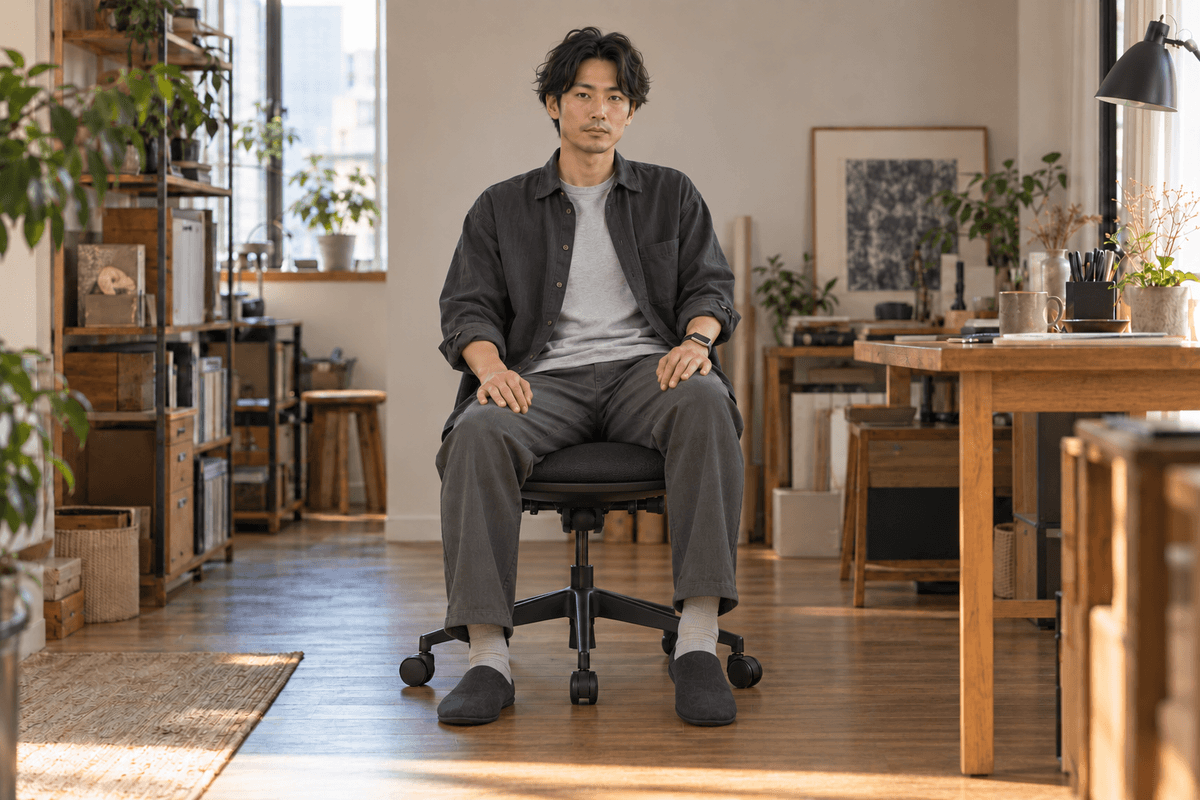
The same room. A different hold.

AI-generated keyframes, not footage. Compare the poses with an illustrative companion view; pressure alone cannot identify spinal shape or explain pain.

Hinge toward the desk, then return. A forward outline alone does not tell you whether someone is slouching. Ordinary movement stays quiet.

A moment

Illustrative values, not measurements.

Five everyday moments on the same seat

  1. Cross your legs.

    Pressure shifts to one side. It's ordinary. No cue.

    Moment 1 of 7
  2. Reach forward.

    Load slides toward the front edge, then comes back. No cue.

    Moment 2 of 7
  3. Turn to talk.

    A diagonal shift that passes. Kiso Axis keeps waiting.

    Moment 3 of 7
  4. Reach for coffee.

    One side carries you for a moment. Still quiet.

    Moment 4 of 7
  5. Then it stays.

    Twenty minutes later, the same lean hasn't moved. Pressure and time, not a frozen pose.

    Moment 5 of 7
  6. One pulse. Beneath you.

    A private signal inside the cover. Nobody else knows. No alarm, no lecture.

    Moment 6 of 7
  7. Back to you. Back to the work.

    You settle. Kiso Axis goes quiet and learns from how you returned.

    Moment 7 of 7
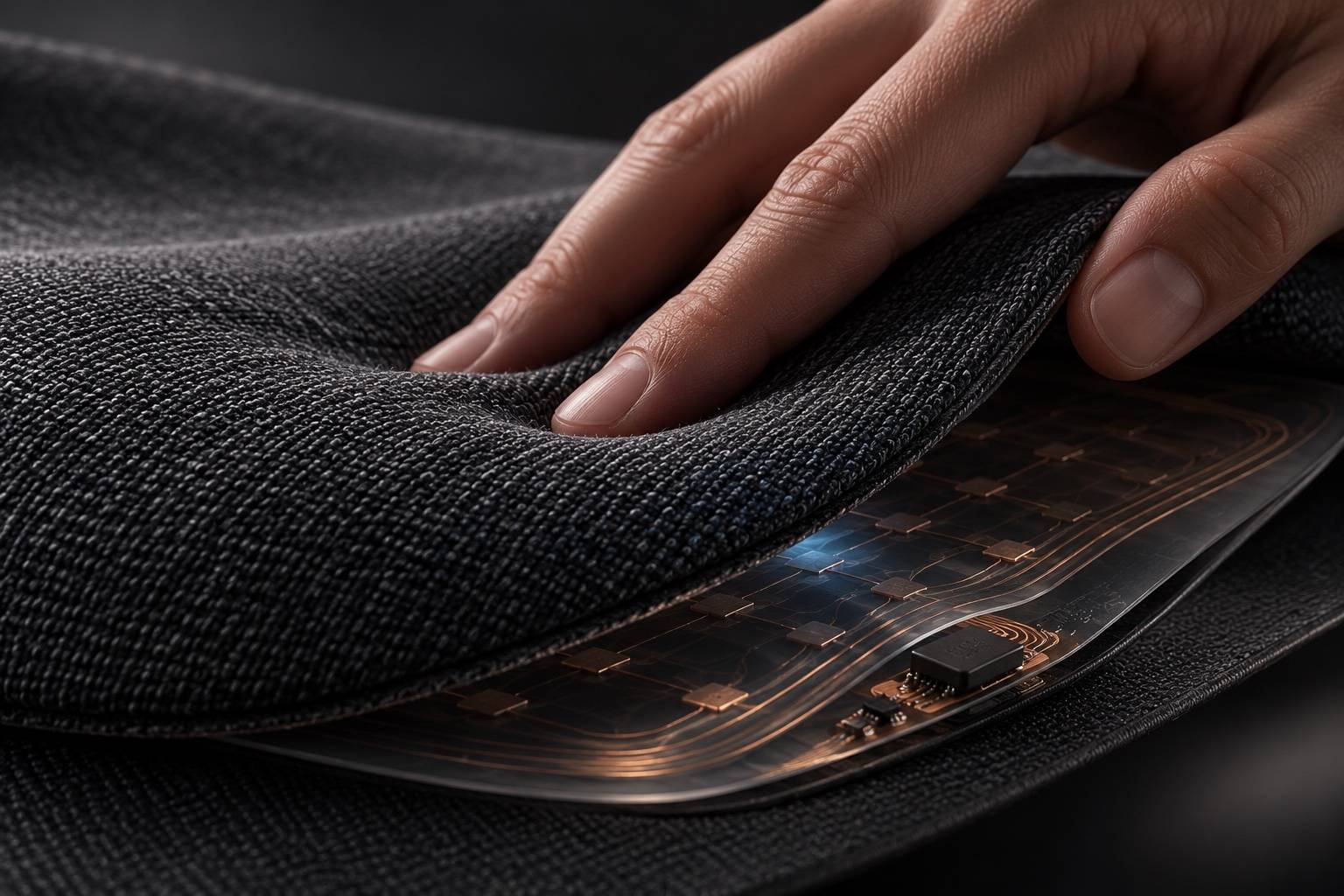
What makes a pattern worth a cue?

  1. Movement first

    A reach, a turn, a fidget or a deliberate change of position stays movement. Kiso Axis waits before it interprets.

  2. Your baseline

    The same pressure map can mean something different on another body or chair. Calibration sets your ordinary range.

  3. Time changes meaning

    A momentary lean is not a sustained hold. Persistence and recurrence raise confidence; returning on your own lowers it.

  4. Chair context

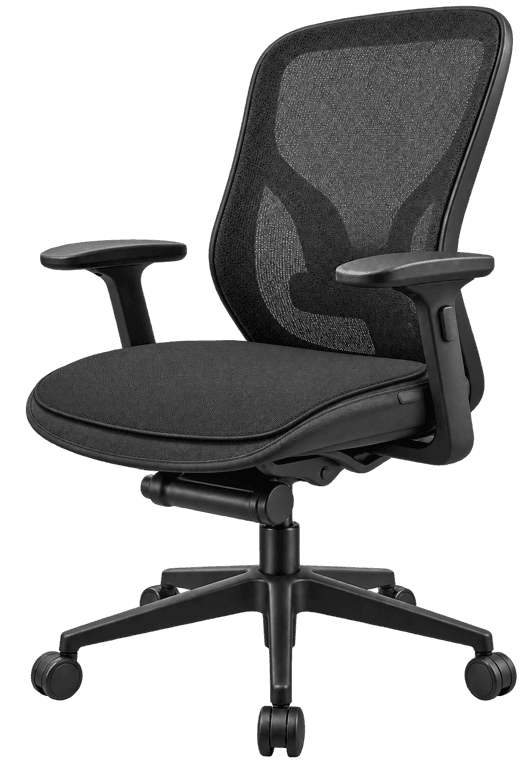
    Foam, mesh, contour, tilt and seat depth change the pressure field. Each chair gets its own calibration.

  5. Ambiguity stays quiet

    When a pattern could be intentional, or the signal is weak, Kiso Axis doesn't rush to cue.

  6. Return, then learn

    What you do after a cue becomes part of the personal model for the next sit.

Not a verdict on posture. A timely way back to choice.

Less to remember. More room to create.

Kiso Axis notices first.

A small cue makes an unnoticed hold visible.

Illustrative values, not measurements.

Your chair. Your working day.

Make it part of your working day.

First Edition early access

¥49,000tax incl.

At launch
¥55,000
Planned retail
¥62,000

Japan price, including 10% consumption tax. Limited early-bird allocation. Japan first.

First Edition ships in Japan first. Join to hear when your region opens.

Join early access Try your first sit